In the UK, prescribed medical cannabis is delivered through vaporisation—not smoking. That’s a key distinction because it eliminates the harmful by-products of combustion, ensuring patients inhale a cleaner, more controlled dose. But this raises a common question among patients and healthcare professionals alike: Is there one ‘best’ temperature to vape medical cannabis?
Why Temperature Matters When Vaping Medical Cannabis
Vaporising cannabis means heating the plant material enough to release its active compounds—cannabinoids and terpenes—without burning it. Combustion produces smoke, which contains tar, carcinogens, and other harmful chemicals. Vaporisation stays below combustion temperature, generating a mist rich in cannabinoids but with fewer health risks.
Different compounds in cannabis vaporise at different temperatures. For instance:
- THC (Tetrahydrocannabinol) vaporises at about 157°C (315°F) CBD (Cannabidiol) vaporises around 160–180°C (320–356°F) Various terpenes vaporise between 130°C and 200°C (266–392°F)
This means the temperature you choose impacts which compounds are inhaled—and thus affects the therapeutic and psychoactive effects.
There Is No Single Correct Figure for Medical Cannabis Vaping
Common vaping temperature advice floats between 160°C (320°F) and 220°C (428°F), but pinpointing a precise “best” temperature is misleading. Here’s why:
Product dependent range: Different cannabis formulations—flower, oil, or extracts—have their own optimal vaporisation temperatures tailored to release ideal active ingredient profiles. Effect dependent settings: Some patients need a rapid onset of strong THC effects, favouring higher temperatures. Others seek milder relief or more anti-inflammatory benefits primarily from CBD and terpenes, which vaporise lower. Device variability: Not all vaporisers provide exact temperature control or consistent heating. Device design influences how reliably a set temperature converts cannabis compounds into vapour.Therefore, prescribing or recommending a single temperature disregards the personalised nature of treatment. Instead, a range tailored to product and patient need is the accepted practice.
The Science Behind Combustion By-products vs Vaporisation
When cannabis is burned (combusted), it produces not only cannabinoids but also:
- Toxic chemicals such as benzene and formaldehyde Carbon monoxide and tar Particulate matter harmful to lung tissue
UK medical cannabis guidelines and pharmacy regulations explicitly discourage smoking because these by-products increase respiratory risks.
Vaporisation heats the cannabis just enough to release cannabinoids and terpenes as vapor without forming smoke. This significantly reduces exposure to harmful chemicals and offers a cleaner, safer inhalation route.

What Does This Mean for UK Patients?
UK Prescribed cannabis is supplied only via vaporisers authorised by NHS or private prescribers. Patients do not receive combusted products, nor smoked cannabis—which remains https://highstylife.com/why-is-medical-cannabis-pricing-in-the-uk-so-opaque/ illegal.
Device as an Integral Part of Medical Cannabis Treatment
Medical cannabis vaporisers are more than delivery tools. They are part of the therapeutic regimen and must be:
- Reliable in reaching and maintaining the correct temperatures Consistent in producing dosing vapour for predictable effects Suitable for patient ease of use, including for those with mobility or dexterity challenges Approved and regulated under pharmacy and medical device laws
Vaporisers provided on NHS or by UK-licensed private prescribers are selected and supplied following specific product specifications. They may have fixed temperature settings or variable controls depending on the cannabis type and patient instructions.
Pharmacy and GPhC Regulation Ensures Safe Supply and Advice
Community pharmacies and cannabis clinics dispensing prescribed medical cannabis follow stringent rules:
- Products are imported or manufactured under MHRA (Medicines and Healthcare products Regulatory Agency) compliance Prescribing and dispensing are regulated by the General Pharmaceutical Council (GPhC), requiring correct patient counselling Vaporisers provided come with clear instructions and are supported with professional advice on dosing, temperature range, and device use to optimise safety and effectiveness
Regulation ensures patients never receive unlawful products such as “smokable” herbal cannabis or inconsistent devices. It also guarantees healthcare professionals remain responsible for guiding patients on appropriate vaporisation parameters.
Summary Table: Factors Affecting Vaping Temperature Choice
Factor Implications Typical Temperature Range THC Psychoactivity Higher temps increase THC vaporisation & intensity 160°C – 220°C (320°F – 428°F) CBD & Anti-inflammatory Effects Moderate lower temps preserve CBD & terpenes 160°C – 180°C (320°F – 356°F) Terpene Aroma & Therapeutic Properties Lower temps release delicate terpenes without breakdown 130°C – 170°C (266°F – 338°F) Device Limitations Device must provide consistent heating to avoid combustion Varies by device specs Patient Needs & Response Customised settings based on clinical goals and side effects Individualised temperature ranges within product specsFinal Takeaway: Focus on Range and Personalisation, Not One “Best” Temp
The most important takeaway for UK patients and prescribers is that there is no one ‘best’ vaping temperature universally. The right temperature depends on the medical cannabis product, the therapeutic effect desired, and the specific vaporiser device used.
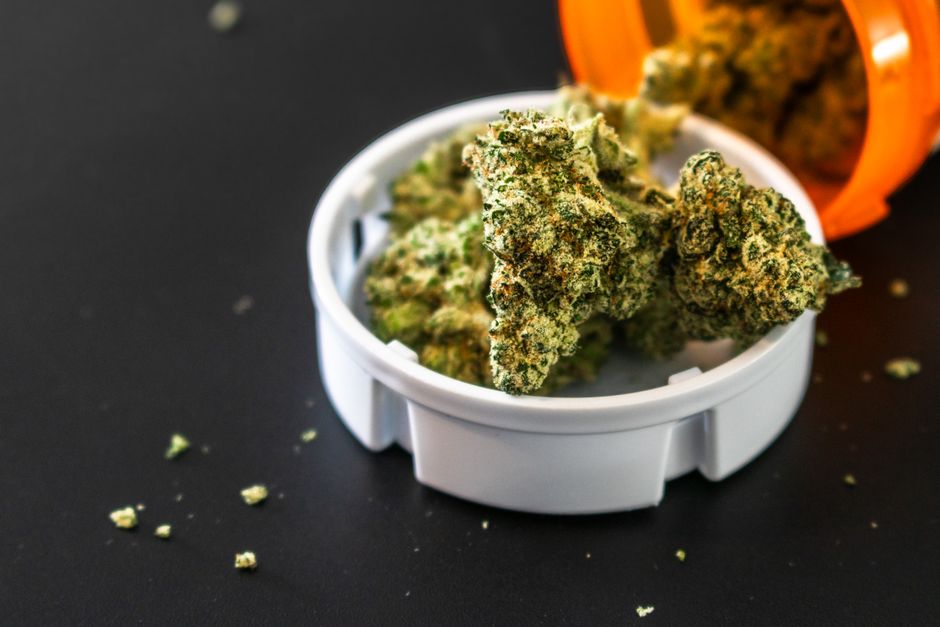
Medical cannabis vaporisation in the UK is a carefully regulated process, delivered with appropriate https://smoothdecorator.com/can-i-use-the-same-device-for-cannabis-flower-and-oil/ clinical supervision and professional device counselling. Patients benefit most when vaping temperature is adjusted within the product-dependent ranges to balance cannabinoid and terpene release against safety and comfort.
By understanding the interplay of cannabis chemistry, device features, and symptom relief goals, patients and prescribers can find the optimal vaporisation temperature range rather than chasing a single number.
Remember:
- UK medical cannabis is vaporised, never smoked Temperature affects which compounds you inhale—and thus the effect Devices are part of treatment; they must be trustworthy and consistent Regulation protects patients with quality products and clear advice Personalised temperature ranges optimized by healthcare professionals yield the best outcomes