If you find yourself reaching for snacks nonstop, especially when you feel irritable or stressed during perimenopause, you are far from alone. Many women navigating this transition report mood swings that seem tightly linked to the urge to eat—often called "stress snacking" or "mood eating." The good news? Understanding why this happens can help you manage it without feeling shame or frustration.
Why Does Perimenopause Make Me Snack So Much?
First, let’s translate Check out here medical speak into everyday terms: Perimenopause is the time before menopause when your hormones start shifting. These hormonal ups and downs don’t just mess with your period—they affect your brain chemistry, mood, and hunger signals.
Hormones and Hunger Cues: The Tug of War
Estrogen and progesterone, two key hormones, play a big role in how your appetite feels:
- Estrogen tends to suppress appetite. When estrogen dips, hunger can feel louder. Progesterone can make you crave carbs and fat. When this rises, particularly before your period, your body may want more energy dense foods.
During perimenopause, these hormone levels jump around unpredictably, confusing your brain’s hunger signals. That can lead to more frequent feelings of hunger even if your body doesn’t need extra calories.
Mood Swings and Emotional Eating: The Overlap
Besides appetite signals, changing hormones also affect your emotional state. Irritability, anxiety, and sadness are common—and they often fuel emotional or stress snacking.
Mood eating means eating in response to how you feel rather than actual hunger. This might look like:
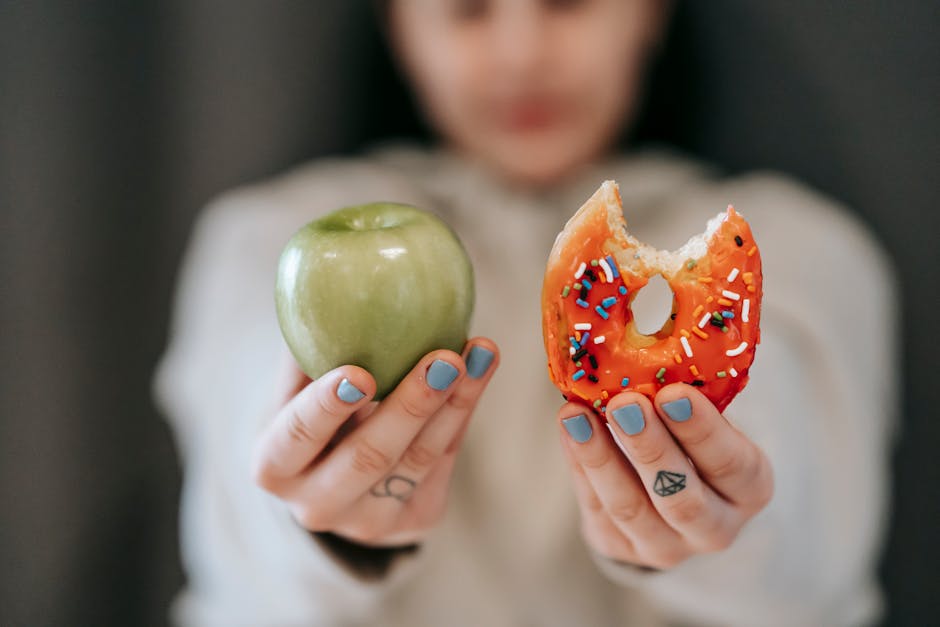

- Reaching for sweet or salty snacks when you feel down or irritated Eating to soothe anxiety or racing thoughts Binge episodes triggered by feelings of overwhelm
It’s important to frame these episodes without shame. This isn’t about "lack of discipline" or "willpower." Your body and brain are coping with a storm of hormonal and emotional signals.
Try This Today: Stress-Reducing Alternatives
Pause for 3 deep breaths before grabbing a snack Write down what you’re feeling in this moment Choose one small grounding activity, like stretching or stepping outsideThese steps help disconnect emotional urges from automatic snacking.
How to Tune into Real Hunger During Perimenopause
When your signals are noisy, it helps to have a simple checklist to figure out whether it’s true hunger or mood eating:
Question If Mostly Yes: Real Hunger If Mostly No: Mood Eating Are you physically hungry (stomach feels empty or growling)? Yes – your body needs food No – hunger is likely emotional Can you wait 15 minutes before eating without feeling worse? No – you’re likely physically hungry Yes – urge may fade with distraction Are you craving a specific food or just anything handy? Specific food suggests nutrient or energy need Anything handy suggests emotional eating Are you stressed, anxious, or irritable right now? No – likely regular hunger Yes – mood eating might be driving youShame-Free Framing of Binge Episodes
If you have episodes where you snack nonstop and feel out of control, try to be kind to yourself:
- Recognize that it’s your body and brain’s way to deal with overwhelming emotion and hormonal shifts. This is not a reflection of your personal strength or discipline. Instead of punishing yourself, focus on what you can learn from the episode to spot triggers next time.
Because—newsflash—even health professionals who advise on nutrition don’t have quick fixes for hormone-driven hunger changes during perimenopause. It takes patience and kindness.
Try This Today: Practice Self-Compassion
When you notice stress snacking or bingeing, pause and say quietly to yourself:
"It’s okay. My body is trying its best in a tough moment."
This simple kindness rewires your brain why am I hungrier at 42 away from shame and toward healing.
Simple Meal Ideas to Tame Irritability and Hunger
Focusing on balanced meals can help stabilize blood sugar and moods, making uncontrollable snacking less likely. Try these easy ideas:
- Breakfast: Greek yogurt with berries and a small handful of nuts Lunch: Mixed green salad with chickpeas, avocado, and a drizzle of olive oil Snack: Apple slices with natural peanut butter Dinner: Grilled salmon or tofu with steamed veggies and quinoa
These meals combine protein, fiber, and healthy fats to keep you full and support mood.
Where to Learn More
For trusted resources on perimenopause, mood changes, and nutrition advice, check out expert-guided articles at FindATopDoc. Navigate to their expert blog for patient-first explainers written by health pros who understand the ups and downs of midlife health.
Summary: Your Perimenopause Snacking Isn’t Your Fault
- Irritability and stress snacking during perimenopause are common and linked to fluctuating hormones that confuse hunger and mood. Emotional eating often overlaps with mood swings, but it’s not about a lack of discipline or willpower. Use simple hunger checklists and stress-reduction tips to tune into real hunger cues. Practice self-compassion to silence shame and build trust with your body. Eat balanced meals with protein, fiber, and healthy fat for mood and appetite balance.
Remember: you’re not alone on this journey. With kindness, knowledge, and small daily tools, you can get a handle on perimenopause irritability and stop the nonstop snacking cycle.
```