Co-occurring disorders, also known as dual diagnosis, refer to the simultaneous presence of a mental health disorder and a substance use disorder in the same person. Navigating treatment can be confusing because one condition often fuels the other. Fortunately, intensive outpatient programs (IOPs) designed specifically for these dual diagnosis cases offer a structured yet flexible path to recovery. This article will break down what an intensive outpatient program for co-occurring disorders is, why integrated treatment is essential, and how you can find the right program for your needs.
Understanding Co-Occurring Disorders
Co-occurring disorders happen when someone lives with both a mental health condition—like depression, anxiety, bipolar disorder, or PTSD—and a substance use disorder involving alcohol or drugs. These disorders interact in complex ways. For example, a person with anxiety might use alcohol to soothe their nerves, unintentionally entering a cycle of self-medication:
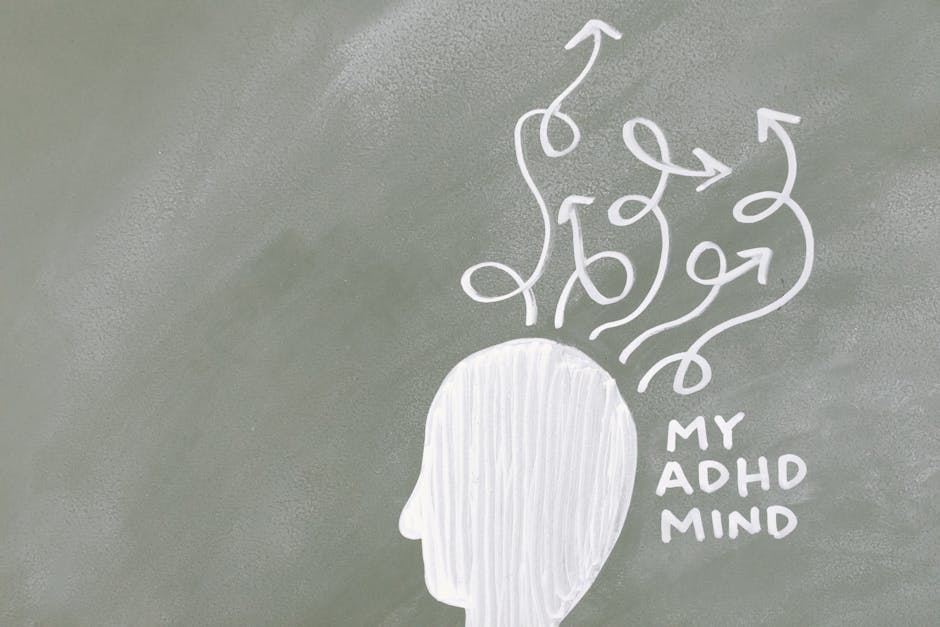

- They drink or use substances to cope with emotional pain or uncomfortable symptoms. This use temporarily reduces distress but worsens the underlying mental health condition over time. Symptoms intensify, leading to more substance use.
This cycle can trap someone in worsening physical, emotional, and social problems. Treating one disorder alone—say, only addressing addiction without mental health—often leads to relapse or treatment failure because the untreated condition remains a trigger.
Why Treating Co-Occurring Disorders Separately Often Fails
Imagine trying to fix a two-engine airplane by only repairing one engine; even if one starts working, the plane won’t fly properly. The same applies to co-occurring disorders:
- Untreated mental health issues can increase cravings, anxiety, and helplessness, which may lead back to substance use. Substance use can mask, worsen, or even cause new mental health symptoms, confusing diagnosis and treatment. Fragmented care—seeing separate providers for mental health and addiction—often leads to miscommunication, inconsistent care plans, and delayed progress.
This is why integrated approaches are now considered best practice.
What Is Integrated Treatment?
Integrated treatment means that both the mental health disorder and the substance use disorder are assessed and treated together by the same care team or coordinated teams working side by side. This holistic approach:
- Uses evidence-based therapies that address both disorders simultaneously. Focuses on the individual's unique combination of symptoms, strengths, and challenges. Coordinates medication management carefully to avoid harmful interactions. Offers education about how the disorders affect each other. Supports relapse prevention with strategies for managing mental health symptoms and substance triggers.
Integrated treatment leads to better outcomes, reduced hospitalizations, and improved quality of life.
What Is an Intensive Outpatient Program (IOP)?
An intensive outpatient program is a structured mental health and/or substance use disorder treatment program that provides more support than traditional outpatient therapy but less than residential or inpatient care. You don’t stay overnight; instead, you attend therapy sessions multiple times per week for several hours at a time. This provides a balance between necessary intensity and flexibility to maintain home, work, or school responsibilities.
Characteristics of a typical IOP include:
- Group therapy focused on coping skills and relapse prevention. Individual counseling sessions tailored to the individual's needs. Family therapy or support to improve communication and understanding. Medication management if prescribed. Psychoeducation about mental health, addiction, and integrated recovery. Regular assessments to monitor progress and adjust treatment plans.
What Makes IOP for Co-Occurring Disorders Different?
When we talk about IOP dual diagnosis programs or integrated outpatient care, we’re referring to IOPs specifically designed to treat both mental health and substance use disorders in a coordinated way. These programs have staff trained in dual diagnosis care and use a blend of therapies suited for complex cases:
- Cognitive Behavioral Therapy (CBT): Helps identify thought patterns that contribute to both mental health challenges and substance use. Dialectical Behavior Therapy (DBT): Focuses on emotional regulation and distress tolerance, useful for mood disorders and addiction. Motivational Interviewing (MI): Encourages internal motivation for change, especially important in substance use treatment. Medication-Assisted Treatment (MAT): When applicable, uses medications alongside therapy to reduce cravings and manage symptoms.
These therapies are woven together to address both conditions concurrently rather than in isolation.
Benefits of an Intensive Outpatient Program for Co-Occurring Disorders
Benefit Explanation Real-Life Example Flexibility Allows patients to live at home and continue daily responsibilities while receiving intensive treatment. Maria attends IOP sessions three evenings a week, supports her recovery, and cares for her children daily. Holistic Care Treats mental health and substance use together for better outcomes. John’s depression is addressed along with his alcohol use, reducing relapse triggers. Structured Support Provides consistent check-ins, therapy, and peer support without full hospitalization. Linda benefits from group therapy, gaining new coping skills and community support. Cost-Effectiveness Less expensive than inpatient care but more robust than standard outpatient counseling. Alex receives comprehensive care while managing work expenses and insurance limits. Customized Treatment Plans Programs adapt to individual needs, addressing co-occurring symptoms, severity, and personal goals. Chris’s therapy focuses on managing bipolar disorder alongside his opioid recovery.Who Should Consider an Intensive Outpatient Program for Dual Diagnosis?
If you or a loved one struggle with both mental health and substance use issues but do not require 24/7 medical supervision, IOP dual diagnosis programs may offer an ideal middle ground. Consider IOP if:
- You have stable housing and a safe environment. You require more treatment support than weekly therapy but less than inpatient admission. You want to maintain work, school, or family responsibilities while in treatment. You need an integrated approach that addresses both disorders.
However, severe withdrawal symptoms, unstable living situations, or acute psychiatric crises may require inpatient or residential care first.
Finding the Right IOP Program for You
Not all intensive outpatient programs are created equal. When searching for an https://www.findatopdoc.com/Expert/85024331-blog-10/When-Mental-Health-and-Addiction-Happen-Together-Why-Integrated-Treatment-Matters IOP dual diagnosis or integrated outpatient care program, keep these points in mind:
Specialization: Confirm the program is designed for co-occurring disorders and uses integrated treatment methods. Qualified Staff: Look for licensed clinicians with experience in both addiction and mental health treatment. Therapeutic Approaches: Does the program offer evidence-based therapies like CBT, DBT, or MI? Accreditation & Reviews: Check for accreditation by reputable organizations and read patient reviews for insights. Insurance & Costs: Verify coverage options and out-of-pocket costs. Logistics: Consider location, scheduling, and transportation needs.Using trusted directories such as the FindATopDoc website can help you explore expert-reviewed listings, access blogs explaining treatment options, and locate nearby programs. On the FindATopDoc homepage, navigate to the “Expert” or “Blog Listing” sections for articles and professional advice on navigating dual diagnosis treatment.
Conclusion
An intensive outpatient program for co-occurring disorders fills a vital treatment gap by providing structured, integrated care that addresses both mental health and substance use disorders simultaneously. This approach breaks the frustrating cycle of self-medication and relapse, offering patients a sustainable path to recovery while maintaining their daily life responsibilities. By choosing an integrated outpatient program, individuals benefit from personalized, evidence-based care that acknowledges the complexity of dual diagnosis and supports lasting healing.
If you or someone you care about is struggling with co-occurring disorders, consider exploring IOP dual diagnosis options today. Visit FindATopDoc to find experts nearby, read reliable health blogs, and make informed decisions toward recovery.
```