Ecstasy pills have a reputation that doesn’t always match reality. When someone buys a pill sold as “ecstasy,” the contents can vary wildly—sometimes containing what users expect, other times something entirely different or even dangerous. If you’re trying to understand the risks and what might be inside a pill sold as ecstasy, tools like Pillreports, Enlighten, and Releaf (releaf.co.uk) provide valuable information, harnessing third-party lab results and independent reviews.
In this article, we’ll break down the substances that Pillreports often lists inside these pills, discussing the regulated vs unregulated risks, unknown potency and batch variation, common contaminants like mould and pesticides, and why lab testing and verification are crucial. We'll also touch on key terms and risks involving substances such as MDMA, MDA, MDEA, methamphetamine, ketamine, and the notorious PMA.
Understanding Pillreports and Similar Platforms
Pillreports is a crowdsourced database where people who have tested pills using reagent kits or submitted samples for lab analysis can share their findings. Alongside Pillreports, platforms like Enlighten and Releaf provide similar services with an emphasis on independent reviews and third-party lab results. These tools allow users to:
- Submit detailed reports of what pills tested positive for Read about the reputation and common contents of specific pill brands and stamps Gain insight into the range of substances often found in pills sold as ecstasy
While these platforms do not replace formal lab analysis, they compile valuable real-world data from across the community, shining a light on how much variation and unpredictability there is in unregulated drug markets.
What Substances Are Commonly Found In Pills Sold as Ecstasy?
Contrary to popular belief, not all pills sold as ecstasy contain pure MDMA (3,4-methylenedioxymethamphetamine). Pillreports frequently shows a mix of primary active ingredients and contaminants. The most regularly encountered substances include:
Substance Description Risks & Notes MDMA The "classic" ecstasy ingredient known for empathogenic effects Can vary in potency; unregulated supply raises risk of adulterants MDA (3,4-methylenedioxyamphetamine) Related to MDMA; tends to have more stimulating and hallucinogenic effects Longer duration; potential for increased neurotoxicity compared to MDMA MDEA (3,4-methylenedioxyethylamphetamine) Less common MDMA analogue Often weaker; less researched; can be found as adulterant or substitute Methamphetamine Powerful stimulant sometimes found in place of or mixed with MDMA Increased risk of addiction, aggression, cardiovascular harm Ketamine Disassociative anesthetic sometimes added or substituted Not typical for ecstasy; changes experience dramatically; risks respiratory depression PMA (paramethoxyamphetamine) & PMMA Dangerous MDMA analogues often sold as “ecstasy” High toxicity; linked to multiple deaths; delayed onset increases overdose riskAside from these active drugs, Pillreports and lab testing also uncover a host of contaminants and unexpected substances often hidden in pills sold as ecstasy.
Why Are There So Many Variations and Risks?
Unregulated Markets & Unknown Potency
Unlike pharmaceuticals, pills sold as ecstasy on the street lack formal thc potency testing accuracy regulation. This means there is no guaranteed manufacturing standard, consistent potency, or safety verification. A batch of pills stamped with the same logo can contain wildly different amounts of MDMA—or none at all. As Pillreports often highlights, this batch variation is one of the biggest risks.
When you can’t be sure what you’re taking or how strong it is, dosing safely becomes a gamble. Overdoing stimulants like MDMA or methamphetamine risks acute toxicity, while underdosing can lead users to take more, increasing cumulative dangers.
Common Contaminants: Mould, Pesticides & By-products
It’s common for illicit drug synthesis and pill pressing operations to occur in less-than-sterile environments. This leads to the occasional presence of:
- Mould: Sometimes detected in poorly stored pills, posing infection risks Pesticides & solvents: By-products from chemical precursors or cutting agents Unintended synthesis by-products: Impurities leftover from chemical reactions
Although these may not be the main active compounds, their presence can cause allergic reactions, toxicity, or other health issues. This is where testing beyond simple reagent kits is critical.
Lab Testing and Verification: The Gold Standard for Safety Insight
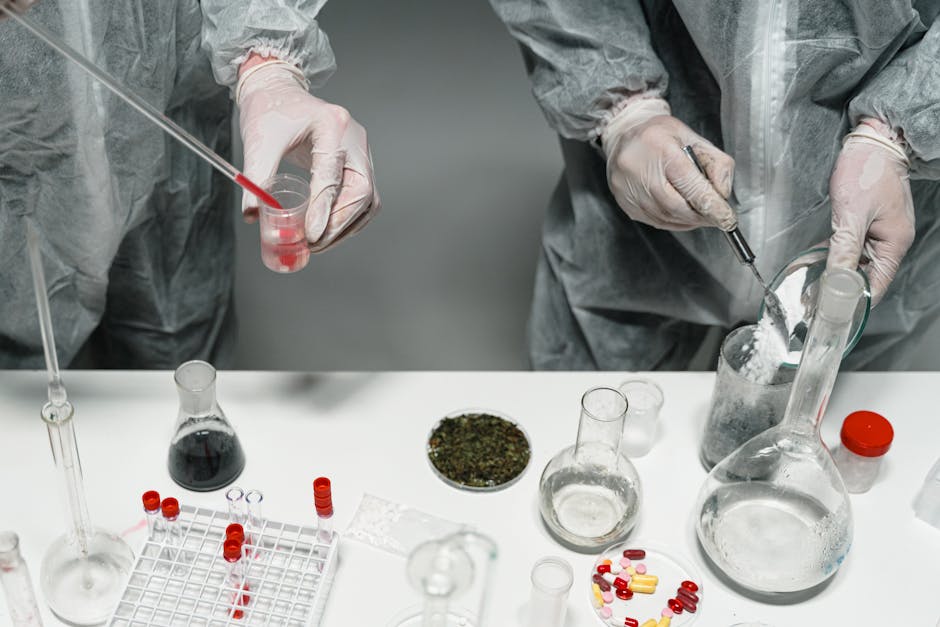
Third-party lab results published on Pillreports, Enlighten, and Releaf allow users to cross-check the actual chemical composition of pills. These tests:
- Identify exact substances and their concentrations Detect dangerous adulterants such as PMA and methamphetamine Reveal contaminants invisible to reagent kits or basic tests Help map prevalence of cutting agents or dangerous analogues in street ecstasy
Relying on independent lab results and aggregated community experiences is far safer than assuming pills are what their markings claim. However, even lab-tested batches can’t guarantee future pills from the same source will be identical, underscoring the unpredictable nature of unregulated supply chains.
How Enlighten and Releaf Complement Pillreports
While Pillreports offers extensive user-submitted data, Enlighten and Releaf bring their own strengths:
- Enlighten focuses on harm reduction by providing clear summaries of lab testing data combined with educational content on drug safety. Releaf (releaf.co.uk) provides up-to-date independent reviews and advice on safer consumption, often referencing both personal and lab-verified reports, with a user-friendly approach.
Together, these Hop over to this website platforms empower users to make informed decisions rather than guess blindly what substances they might be consuming.
Summary: What Does This Mean for Someone Considering Ecstasy?
Pills sold as “ecstasy” may contain MDMA—but also a range of other substances including MDA, MDEA, methamphetamine, ketamine, and dangerously toxic PMA. Potency and composition can vary significantly even within pills bearing identical logos or stamps. Batch variation is a major risk factor. Contaminants like mould, pesticides, and chemical by-products are possible, especially in unregulated production. Appearance or smell are unreliable indicators of safety. Third-party lab testing and verified reports from platforms like Pillreports, Enlighten, and Releaf are invaluable tools for harm reduction. Despite these tools, unregulated substances always carry risk. Avoiding unknown sources or untested products is the safest choice.Final Thoughts: Always Ask “What Does the Lab Report Actually Say?”
As someone who’s spent years around prescription workflows and patient concerns, I always stress critical thinking about drug safety. Simply trusting what a pill looks like, smells like, or is “supposed” to contain is a misstep. Buzzwords and popular beliefs can mislead. Whenever possible, demand evidence-based information from third-party lab results and independent reviews.
Pillreports, Enlighten, and Releaf are excellent community-driven resources for navigating the unpredictable world of ecstasy pills. But remember: no amount of data can fully regulate or ensure the safety of illicit substances. Their value lies in reducing harm through awareness, not false security.
Stay informed, stay cautious, and always ask: What does the lab report actually say?